
Dramaturg Emeritus (Scholar in Residence) of San Francisco Opera
Dr. Clifford "Kip" Cranna
“Kip's a unicorn…. There has never been a Kip. There will never be another Kip,” —Barbara Rominski, archivist of the San Francisco Opera.
Dr. Clifford "Kip" Cranna, affectionately dubbed "Mister Opera" or the resident "Opera Whisperer," is a legendary figure in American opera administration, scholarship, and dramaturgy.
Over a career spanning more than 40 years, he continues to be an irreplaceable cornerstone of San Francisco Opera, guiding the artistic, logistical, and academic dimensions of one of the world's premier opera houses.
He is the recipient of several awards, including the San Francisco Opera Medal in 2008 and Opera Parallèle award in 2026 “for his remarkable impact on contemporary opera.”
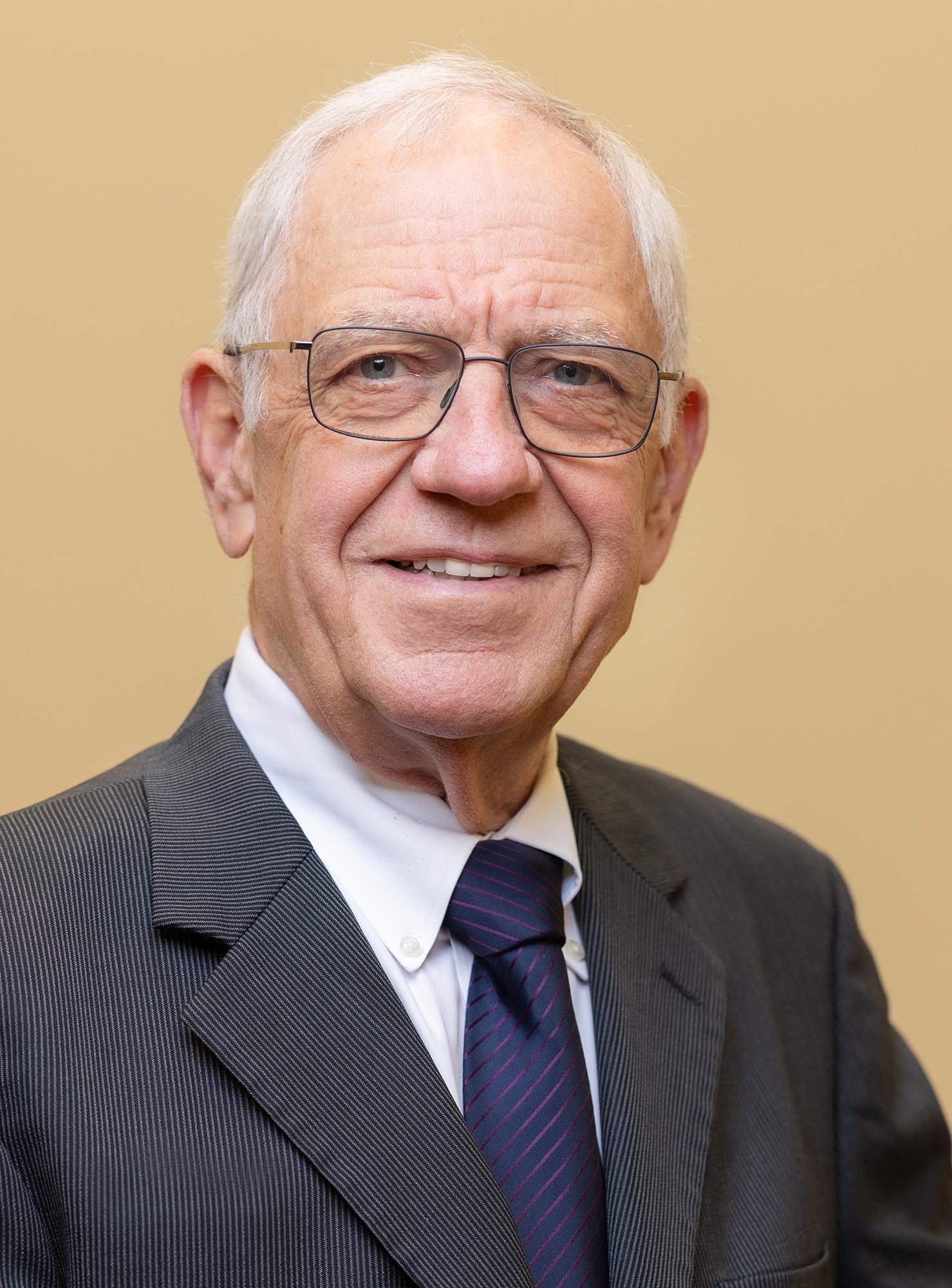
Listen to Kip talk about his upcoming lecture, I Hear America Singing. You might be surprised to learn about American operas.
I Hear America Singing: Adventures in American Opera
Speaking, Adjudication, & Consulting Services
Bring Decades of Operatic Expertise to Your University, Company, or Event
With more than 40 years of experience at the highest levels of international opera administration, scholarship, and performance education, Dr. Kip Cranna offers a versatile range of professional services.
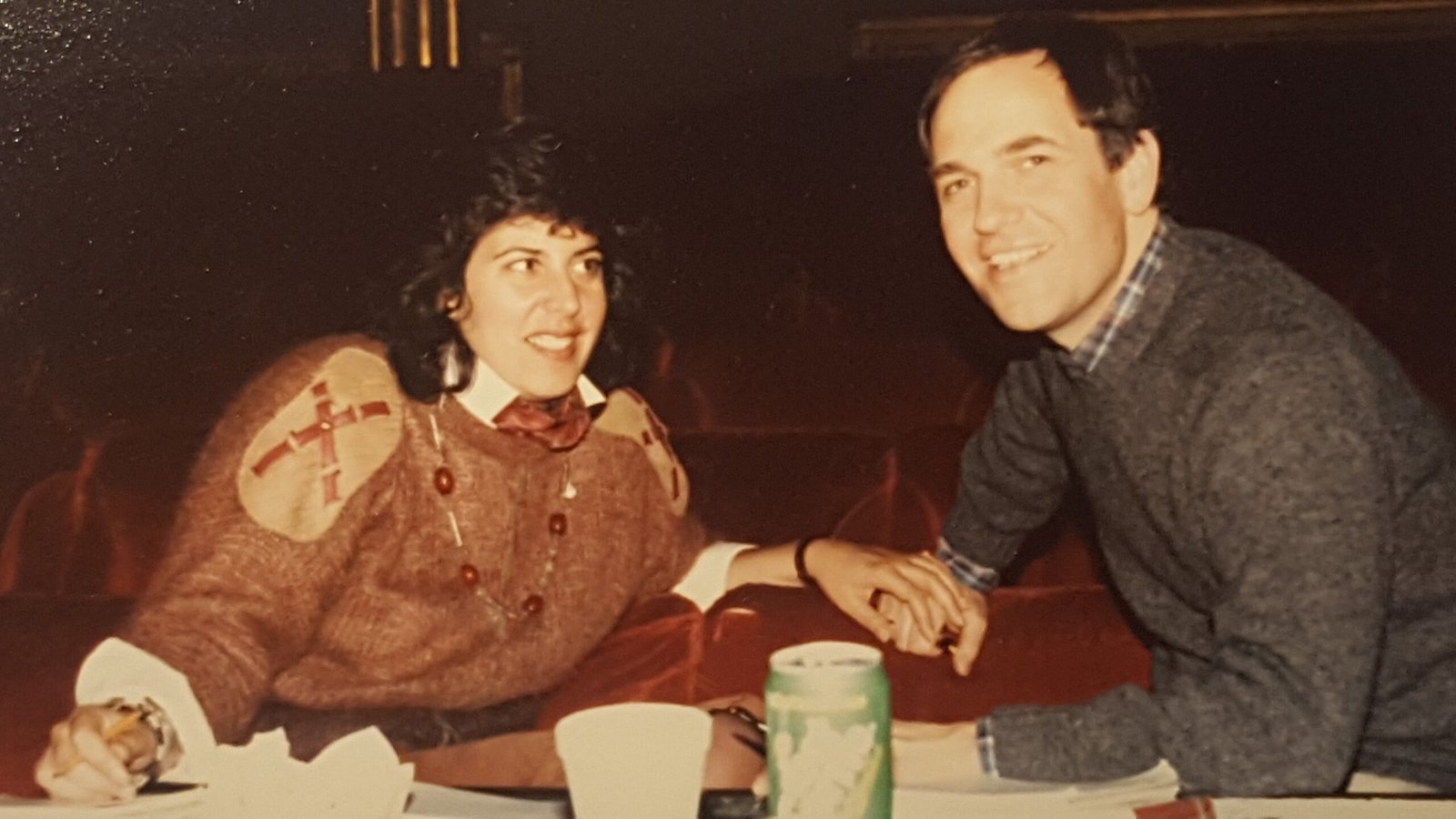
Left: Director Francesca Zambello and Kip Cranna at work at SF Opera, 1980s. | Credit: Courtesy of Jon Finck
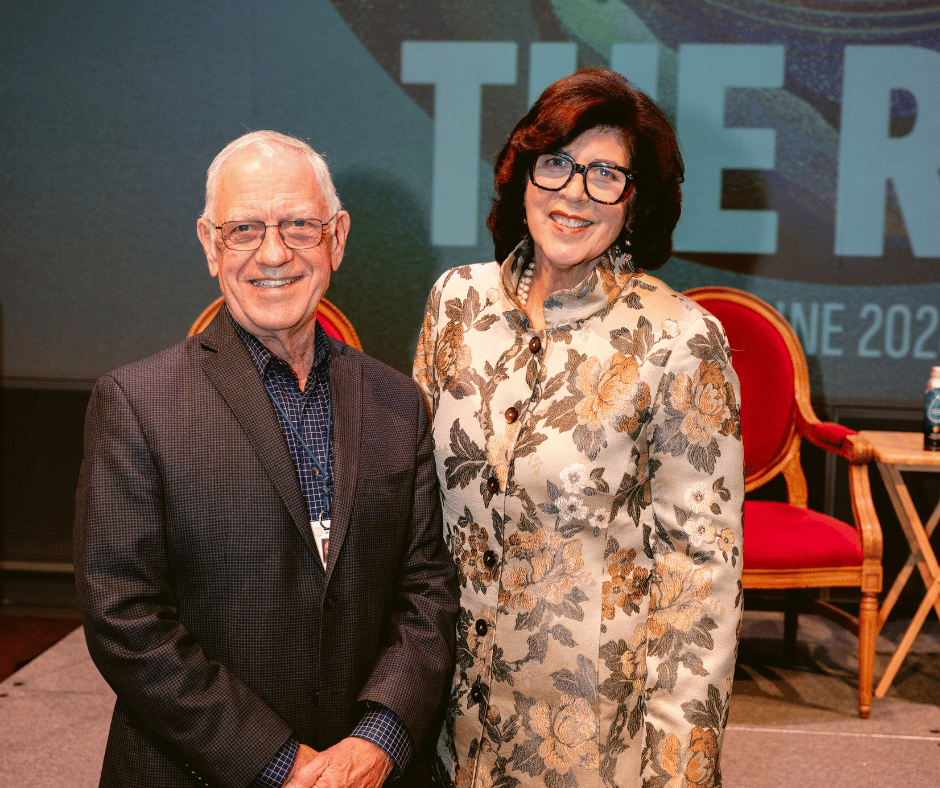
Right: Francesca Zambello and Kip Cranna at San Francisco Opera, 2025 | Credit: Courtesy of Kip Cranna
Fun Facts About Kip Cranna
For 40 years, Kip Cranna helped run one of the great opera companies in the world — usually just out of view of the spotlight. Here’s what you might not know about the man behind the curtain.
He almost became a singer — the mute kind.
At the University of North Dakota, a young Kip tried out for the opera workshop hoping to sing. He got cast in silent roles instead — a sign, he jokes, that he was destined for the other side of the curtain.
He’s worked for every General Director in SFO history — but one.
The lone exception is founder Gaetano Merola, who died in 1953, a full 26 years before Kip walked through the door. Everyone after that, he worked alongside.
His “research trip” to Naples lasted two years.
Stationed there as a U.S. Navy communications officer, Kip spent his off-duty hours at the opera house — an education that shaped the next five decades of his career.
He’s been writing SFO’s supertitles since they existed.
When San Francisco Opera introduced supertitles in the mid-1980s, Kip became editor-in-chief of them, writing and timing text for more than a dozen productions over the years.
He’s been called opera’s Obi-Wan Kenobi.
“A wise and benevolent force behind the scenes at the complicated, political, and dramatic galaxy called San Francisco Opera.” — David Gockley, former SFO General Director
He helped launch an entire opera company as a volunteer.
Kip volunteered his time at the symposium that led to the founding of Opera Parallèle, then helped recruit its first board members and connect it to rising singers through SFO’s Merola and Adler programs.
He shepherded more than 30 world premieres.
As director of music administration, Kip oversaw upwards of thirty new opera commissions at SFO, working directly with composers and librettists from blank page to opening night.
His retirement gift was a brand-new job.
When Kip tried to step back in 2014, General Director David Gockley invented the role of “dramaturg” specifically so Kip could keep doing the parts of the job he loved most.
He turned down the top job, on purpose.
Despite decades of institutional knowledge, Kip never wanted to be a general director. His reasoning: “I like to sleep at night.”
He’s skipping the memoir.
Instead, Kip recorded an oral history for UC Berkeley. His take on writing a tell-all: he’d have to “go into the Witness Protection Program.”
Fifty years and counting.
Kip met his husband, choral conductor and musicologist Bruce Lamott, while both were at Stanford. They’ve now been together for more than half a century.
His doctoral thesis predates supertitles by about 300 years.
Kip’s Stanford dissertation examined a 17th-century Italian treatise on musical ornamentation, a scholarly detour that helped make him, in the words of former General Director Pamela Rosenberg, “One of the most musically erudite people in opera.“
Kip's Events, Lectures, and Classes
Opera has a reputation: three hours long, sung in a language you may not speak, wrapped in a hundred years of tradition. It doesn't have to feel that way.
Join Kip as he pulls back the curtain on how an opera actually comes together — the decisions, the personalities, the moments that don't make it into the program notes — and share the kind of practical, unpretentious guidance that makes this grandest of art forms easier to enjoy, whatever your starting point.